Press
Some bands reunite.
Some pick up where they left off.
The Bulletproof Souls came back because they never finished.
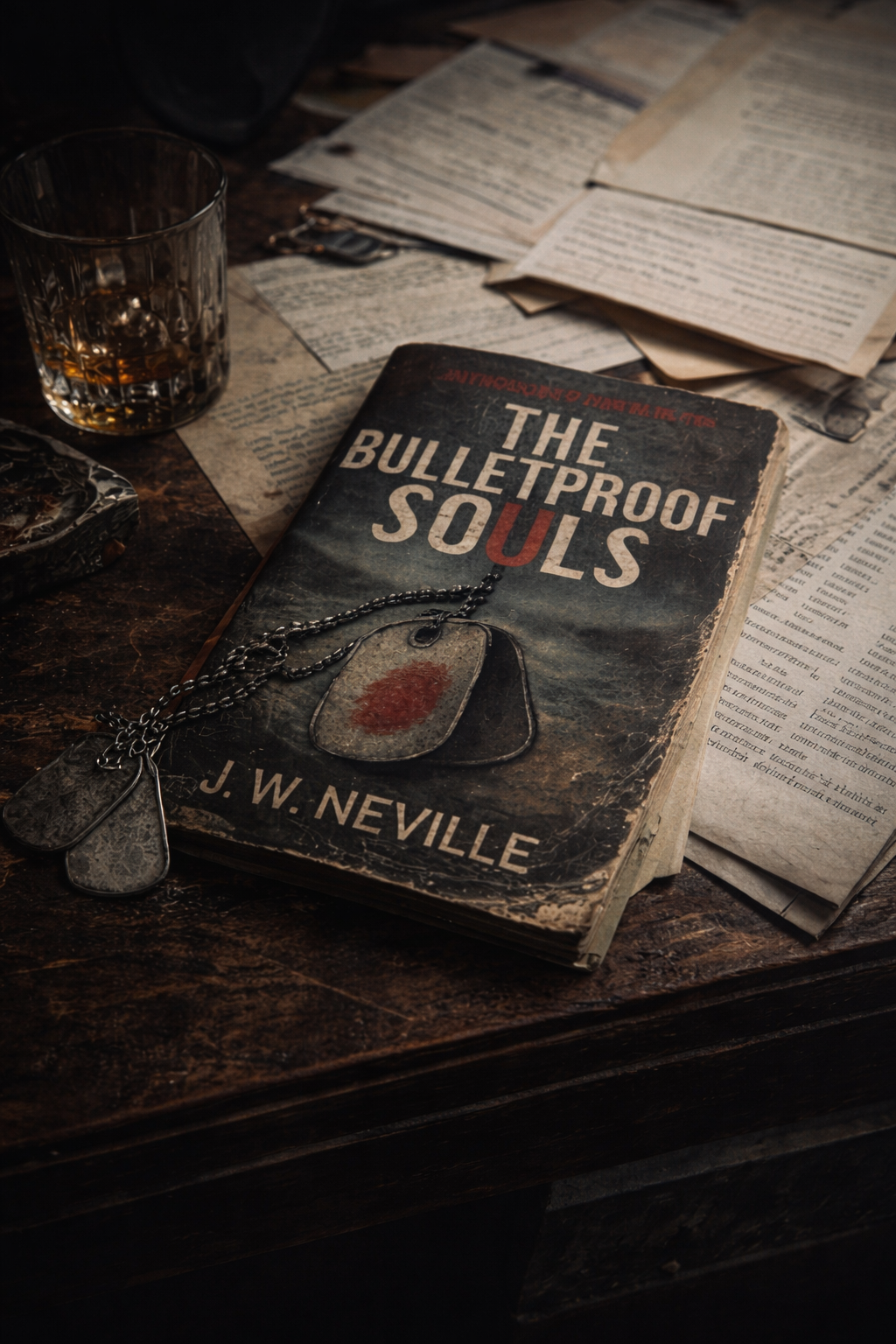
The Bulletproof Souls were on the verge of everything in 1985—until they weren’t.
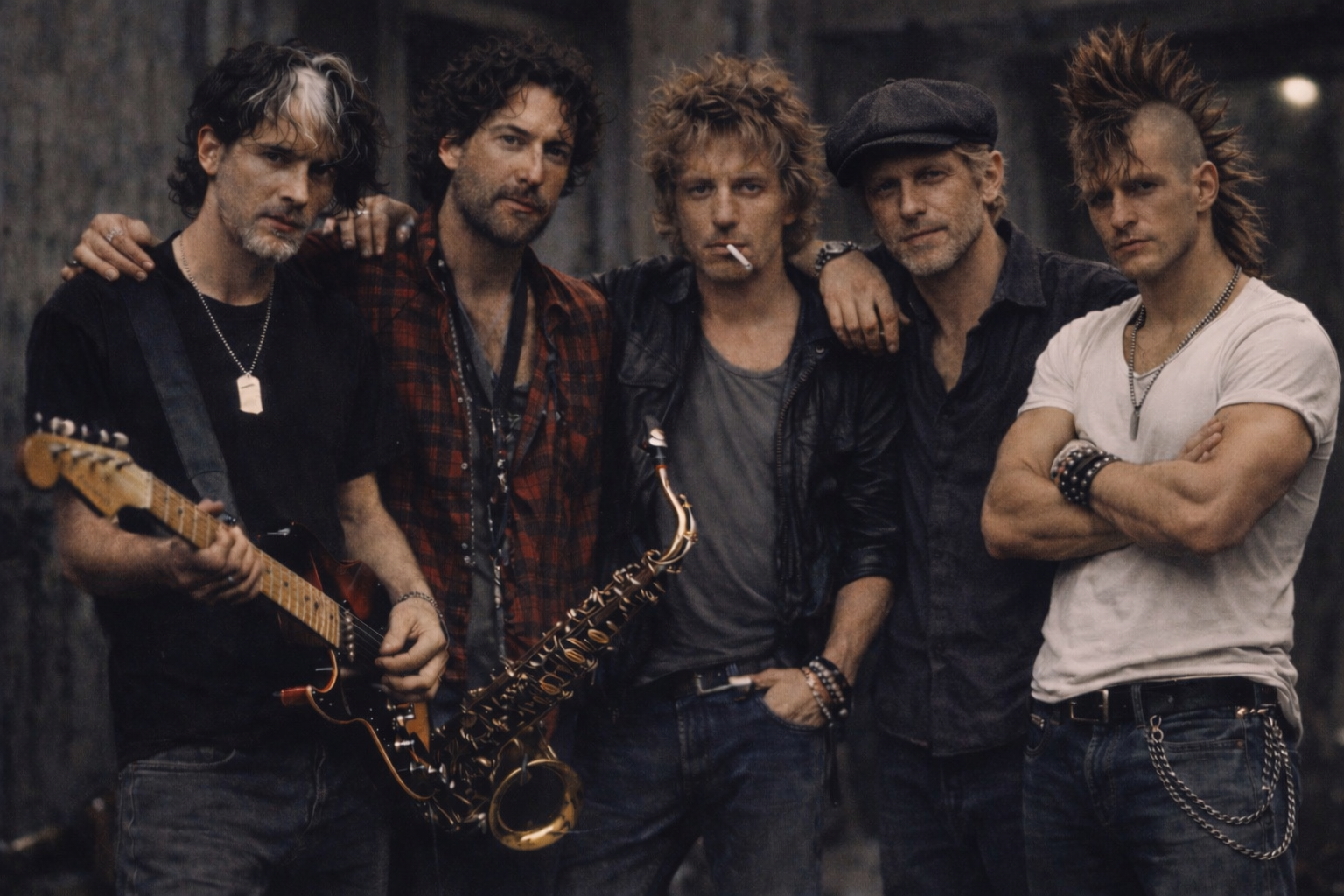
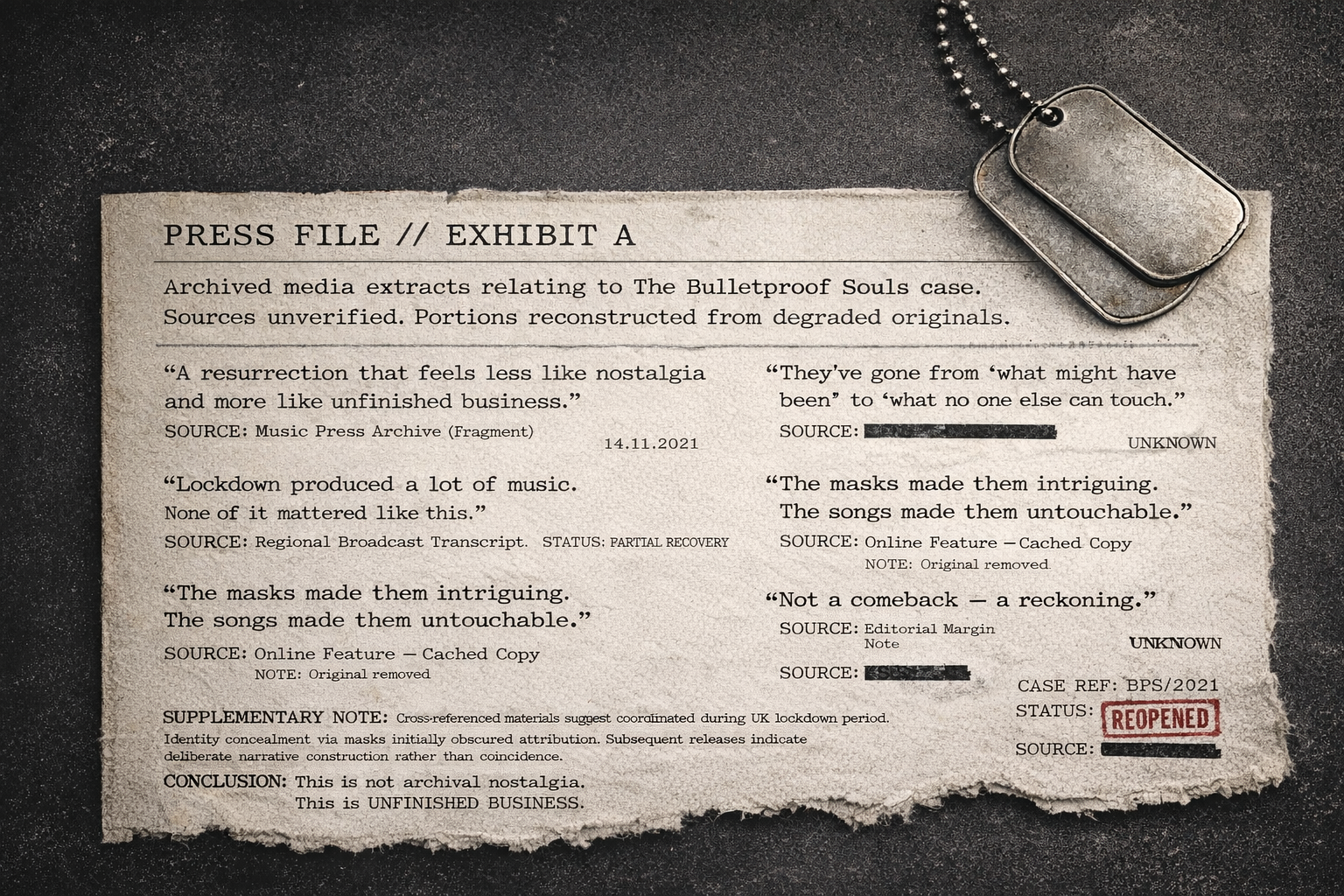
Decades later, during lockdown, they resurfaced anonymously, recording from isolation behind masks. What began as fragments shared online became a phenomenon. Now unmasked and unmistakable, they’ve returned as one of the UK’s most unlikely success stories—older, sharper, and carrying the weight of a past that never quite let go.
Band Biography.
In early 1985, The Bulletproof Souls were a band on the edge of breaking through.
Students with too much volume and not enough patience, they built their reputation the hard way—sweaty rooms, word of mouth, songs that landed somewhere between defiance and confession. There was talk, even then, that they were next. Not big. Not yet. But close enough to feel it.
Then, on 15th February 1985, everything stopped.
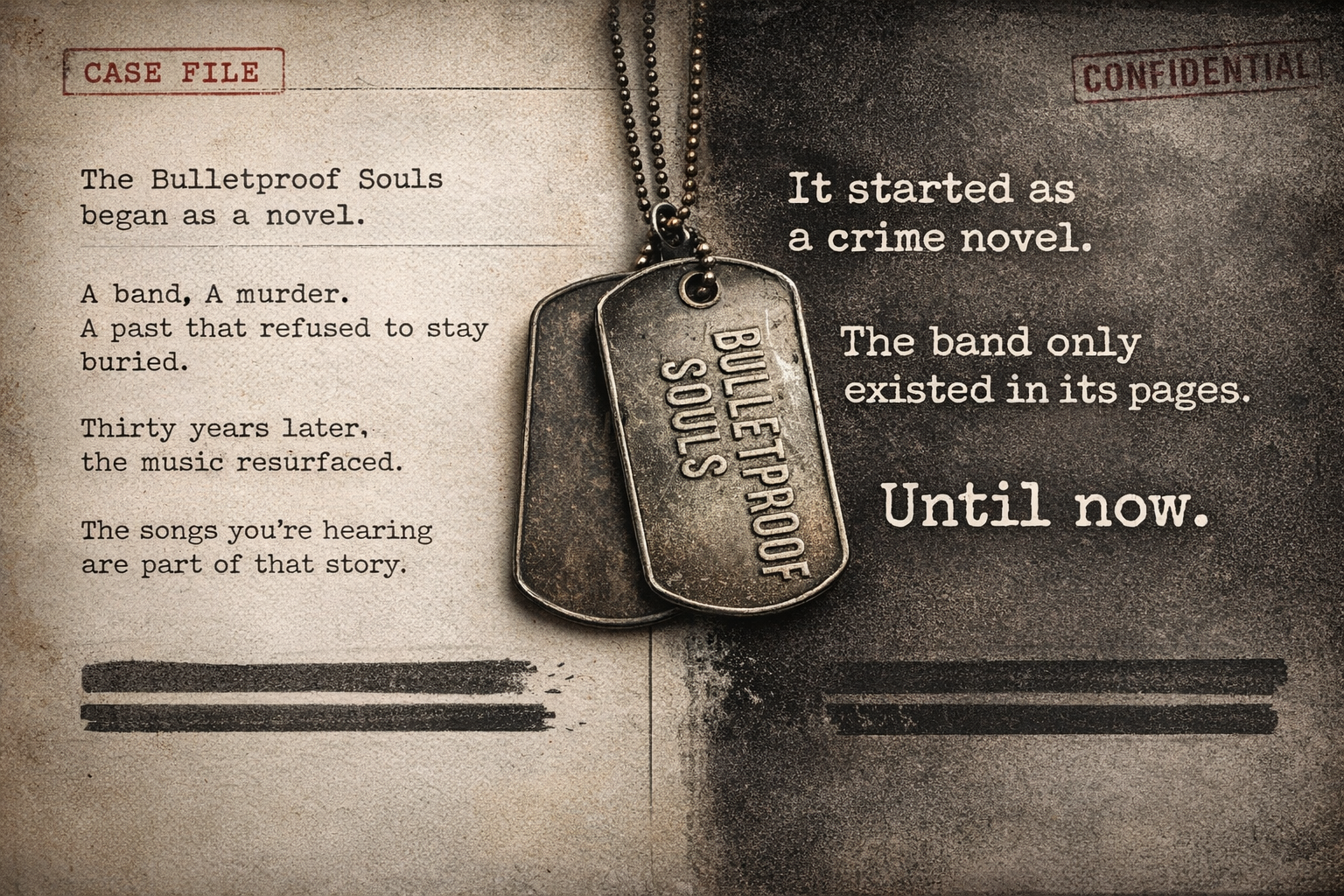
The details were never something the band spoke about publicly. They didn’t need to. The papers did the work for them. Within weeks, The Bulletproof Souls were gone—no statement, no farewell, just absence. What remained were rumours, half-told stories, and a sense that something unfinished had been left behind.
For decades, that’s how it stayed.
Until 2020.
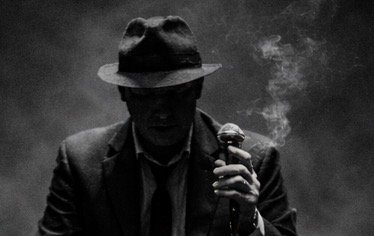
During lockdown, a series of tracks began appearing online—recorded remotely, stripped back. No names. No faces. Just five figures in masks and a sound that felt both familiar and sharpened by time. What started as speculation turned into obsession.
The Bulletproof Souls hadn’t reformed.
They had resurfaced.
The response was immediate and overwhelming. Songs written across decades—some new, some reworked from fragments of the past—found an audience far beyond the one they’d left behind. The anonymity only added to it. In a moment defined by isolation, they became something shared.
When the masks finally came off, the impact didn’t fade. If anything, it deepened.
Now, against every expectation, The Bulletproof Souls stand as one of the UK’s biggest bands. Not as they were, but as what they’ve become—seasoned, deliberate, and impossible to separate from the story that shaped them.
They don’t revisit the past in interviews.
But it’s there in the music.
It always was.